An indulgence is not forgiveness, and forgiveness was never
for sale. In Catholic teaching sin has two consequences.
Guilt, which cuts a person off from God, is forgiven only
through repentance and absolution, and no rite of the Church
has ever sold that. The second consequence is the damage a
sin leaves behind, in the sinner and in others, and it
remains after the guilt is gone. Scripture knows the
difference. Nathan tells David, “The LORD also has put
away your sin; you shall not die” — and in the
next breath, “the child that is born to you shall
die” (2 Sam. 12:13–14). Moses is forgiven
and still barred from the land. Sin forgiven is like a nail
withdrawn: the hole remains. An indulgence concerns only that
hole — the temporal consequence of a sin already
forgiven — and nothing else. What Tetzel sold was the
indulgence itself, with alms as the price: the abuse, not the
doctrine.
Concede Tetzel whole — the Church did. The
indulgence trade was a disgrace, and the loudest witness is
the Council of Trent, which abolished the office of the
indulgence-sellers outright and condemned the “evil
gains.” Today no indulgence involves money anywhere in
the Church’s law. The Protestant who condemns the sale
condemns what Rome condemned; the argument only begins when
the abuse is off stage and the doctrine is on it.
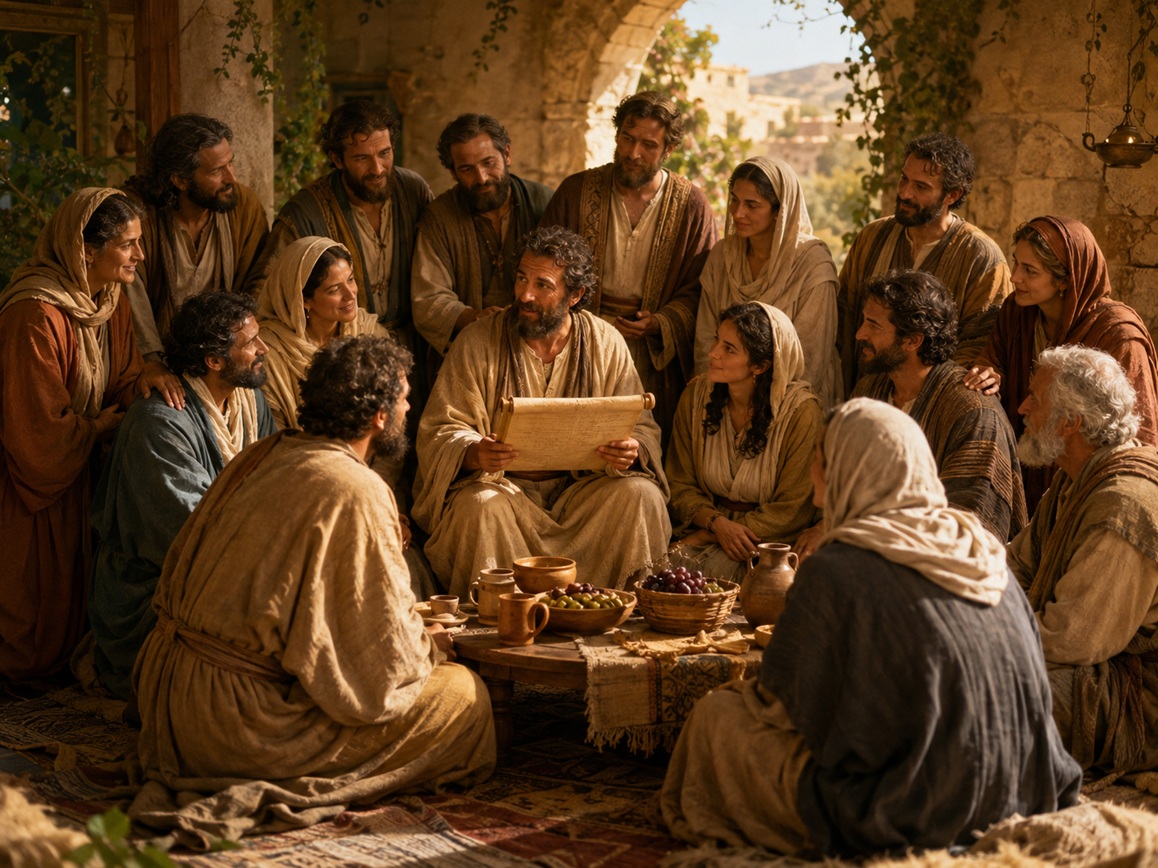
Paul granted the first one at Corinth. A Corinthian
had sinned gravely; the church, at Paul’s direction,
had imposed a punishment; and Paul, judging the man’s
sorrow sufficient, remitted the remainder of it and told the
church to do likewise, “so that he may not be
overwhelmed by excessive sorrow” — doing it, he
says, “in the presence of Christ”
(2 Cor. 2:6–10). Every element of the doctrine is
there: a forgiven sinner, a penalty the church had imposed,
and the church’s authority to bind and loose
(Matt. 16:19; 18:18) releasing part of that penalty, in
mercy. An indulgence is that act and nothing more exotic:
the Church loosing what the Church, under God, had bound.
The “treasury of merit” is the communion of
saints in bookkeeping dress. The phrase alarms because
it sounds like a bank. What it names is something the New
Testament teaches without embarrassment: that in the Body of
Christ no one suffers or prays alone, and the abundance of
one supplies the need of another (2 Cor. 8:14).
Christ’s merit is infinite and nothing tops it up; the
saints’ share in it is His gift, as a father’s
wealth loses nothing by becoming the family’s.
Paul’s own sufferings “complete what is lacking
in Christ’s afflictions for the sake of his
body” (Col. 1:24) — a sentence no
solitary-transaction theology can read aloud. Hebrews 10:14,
“by a single offering he has perfected for all
time,” is not the objection; it is the treasury’s
deed of title, because the perfecting reaches the members
through the Body.
What the practice looks like now. An indulgence today
is gained by prayer, a pilgrimage, half an hour with the
Scriptures, or a work of mercy, under conditions whose whole
point is interior conversion: confession, Communion, prayer
for the Pope’s intentions, and, for a plenary
indulgence, detachment from all sin — without which,
the Church’s own law says, it gains nothing at all. The
doctrine presupposes purgatory, the purification after death
of what forgiven sin leaves behind; that question has
its own page.
Granted it, an indulgence is mercy organized: Paul at
Corinth, extended across the whole family of God.
Dropping the practice would teach a falsehood. That
the forgiven owe nothing, repair nothing, and carry no
wounds. Penance is love taking damage seriously; an
indulgence is the Church — which in the early centuries
imposed penances of years — applying the family’s
riches to shorten them.
For a more complete essay on this topic, download
What About Indulgences? (.docx) or (.pdf)