Arguments For Christianity

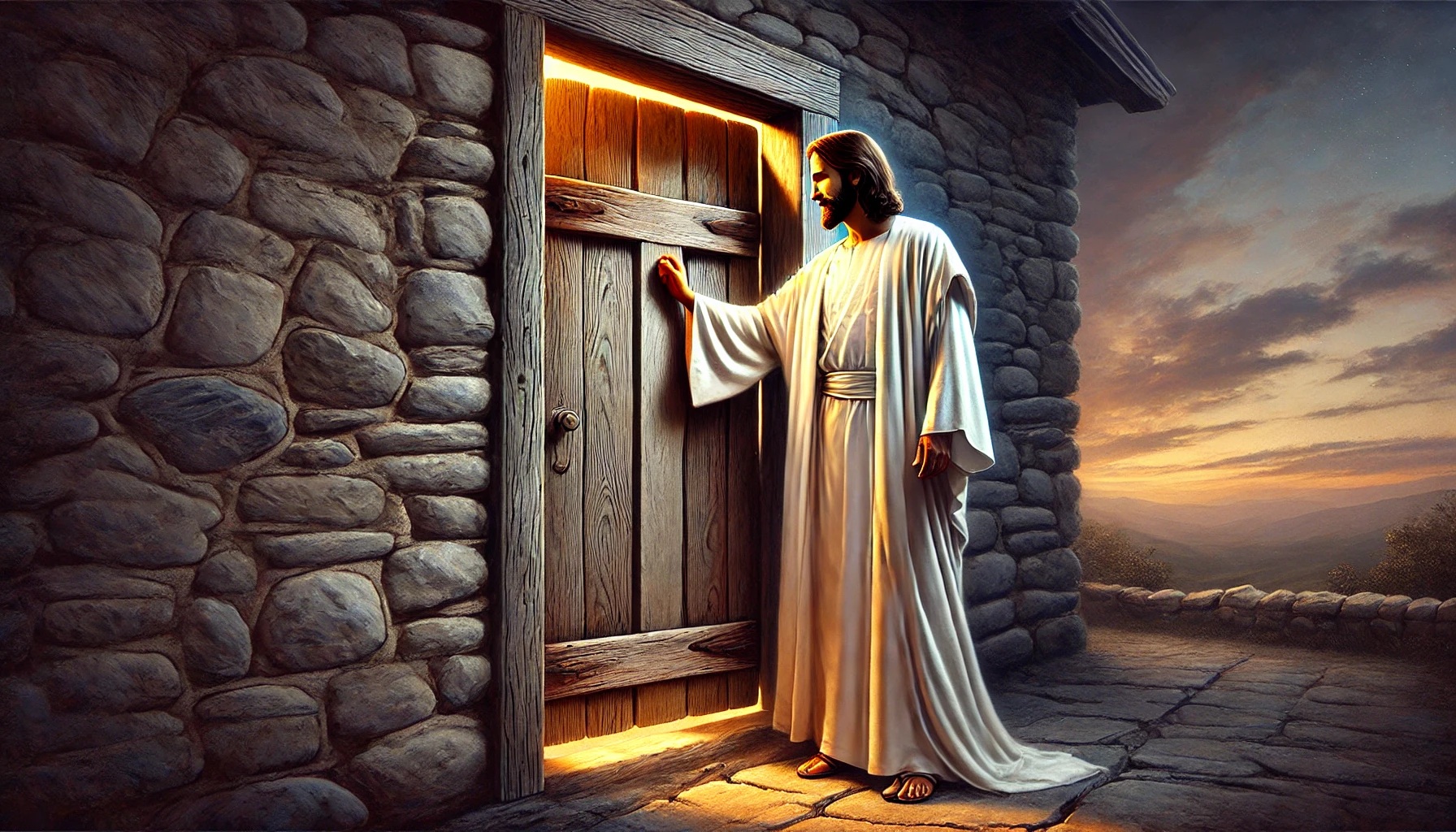
Jesus at the Door

"Behold, I stand at the door and knock; if any one hears my voice and opens the door, I will come in to him and eat with him, and he with me."

Suppose the case for God succeeds. A further question remains: why Christianity, among all the religions of the world? This section makes the specifically Christian case. It turns, as it must, on a single claimed event — the resurrection of Jesus of Nazareth — and on the historical evidence for it: the empty tomb, the transformation of the disciples, the witness of those who died rather than recant, and the sudden birth of the Church in the very city where Jesus had been executed.
I invite your engagement with me on these questions. You may leave comments below, but please be sure to read our policy on commenting before doing so.

Atheist View

Grant, for the sake of argument, that God exists. Why Christianity, rather than any other faith? The Christian answer turns on a person and an event: Jesus of Nazareth, and his resurrection from the dead. If that event happened, everything follows; if it did not, then, as Saint Paul freely admits, our faith is in vain.
The skeptic answers briskly: the resurrection is a legend, like the rising gods of a dozen older myths. Grieving followers saw visions, stories grew in the telling, and a sect became a Church. Dead men, he reminds us, do not rise; and extraordinary claims require extraordinary evidence, which a handful of ancient testimonies cannot supply. Why believe this resurrection story when we disbelieve every other?

Catholic View

So the case for Christianity rests, in large part, on history: on the evidence for the resurrection, on the transformation of frightened disciples into fearless witnesses, and on the explosive growth of the early Church in the face of persecution. These are not proofs that coerce, but they are facts that ask to be explained — and the explanation the first Christians gave was that they had seen the Lord.
Weighed fairly, the alternatives strain harder than the claim. Hallucinations are private; they do not empty tombs or convince skeptics like James and Paul. Legends need generations to grow; the resurrection was preached within a few years, to people who had known Jesus. The disciples had everything to lose and nothing earthly to gain, yet they proclaimed a risen Lord to their deaths. The simplest explanation of the evidence is the one they themselves gave.

Summary